IN-PERSON AGING LIFE CARE SUPPORT
I Need Someone There With Us
Sometimes having someone physically present can make all the difference.
Our Aging Life Care Professionals provide in-person support, advocacy, coordination, and guidance for individuals and families navigating aging, illness, changing care needs, and major healthcare decisions.
Whether you need someone beside you at an appointment or someone locally supporting a loved one when you cannot be there, we can help.

When Someone Needs to Be There
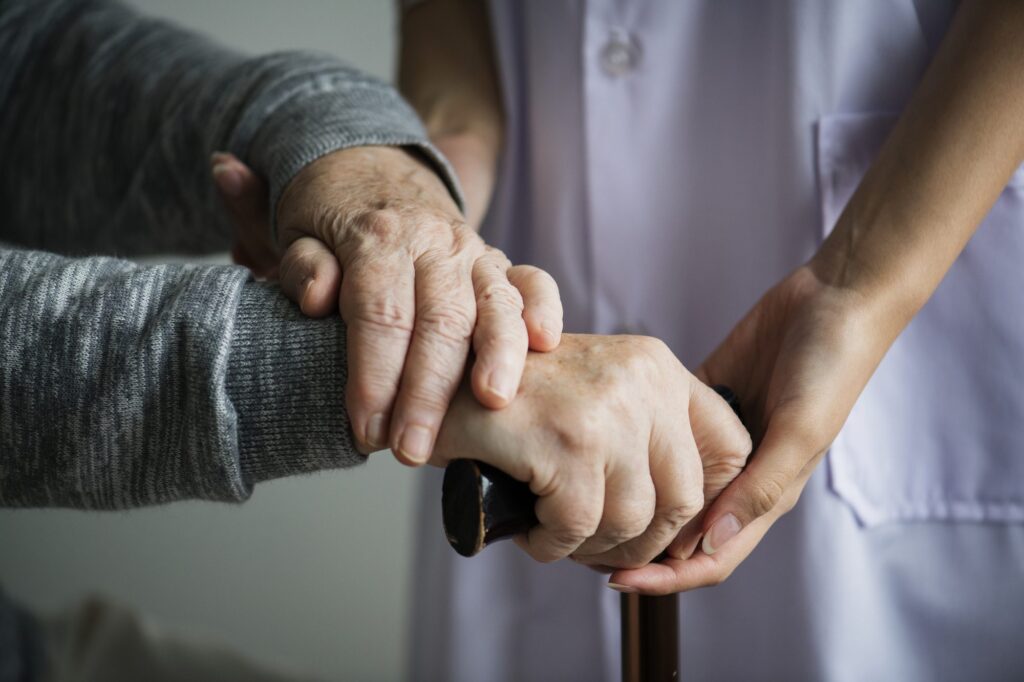
There are times when phone calls and virtual support are not enough.
You may need someone who can:
- Attend an appointment.
- Ask questions.
- Listen to recommendations.
- Communicate concerns.
- Check in on changing needs.
- Coordinate with providers.
- Help make sense of what happens next.
Our Aging Life Care Professionals can step in as another knowledgeable person in your corner.
How In-Person Support Helps
In-Home Assessment and Care Plan
We look beyond a single diagnosis or appointment, at home, in the hospital, or in a care facility. The assessment may consider health needs, medications, mobility, cognition, nutrition, daily routines, home safety, social connection, available support, and the person’s own goals and preferences.
Using what we learn, we develop a written care plan that identifies needs, sets priorities, recommends actions, and notes anticipated costs when that information is available.
Patient Advocacy and Medical Appointments
Appointments can be stressful, especially when health needs are complex or several concerns need to be addressed at once. Having another experienced person in the room helps make sure questions are asked, concerns are communicated, and important information is not missed.
We can attend appointments with you or with someone you love, help communicate questions and concerns, listen to recommendations, make sure important information is shared with the appropriate people, and help organize the next steps afterward.
For loved ones who cannot attend, we can help provide an additional layer of communication and support.
Care Coordination
Care often involves far more than one doctor.
There may be specialists, home care providers, therapists, facilities, pharmacies, family members, transportation needs, and other services involved.
We help coordinate communication between the people and services involved so the overall plan is easier to understand and follow.
- Scheduling and preparing for appointments
- Following up on recommendations and unresolved questions
- Keeping approved family members informed
- Regular visits and care-plan reviews
Hospital and Rehabilitation Transitions
Leaving a hospital or rehabilitation facility can involve a long list of decisions.
Where will the person go? What level of support is needed? What equipment needs to be arranged? Who needs to follow up? What medications or appointments have changed?
We help individuals and families navigate those transitions and understand what needs to happen next.
Changing Living Needs
There may come a time when the current living situation no longer feels like the right fit.
We can help individuals and families think through changing needs, available support, safety concerns, and possible living options.
The goal is not to push someone toward a particular decision. It is to help everyone involved understand the options.
END-OF-LIFE PLANNING AND SUPPORT
End-of-Life Planning
When needs become more serious, families may face decisions they never expected to make.
We help individuals and loved ones understand available options, communicate wishes, prepare for transitions, and navigate end-of-life decisions with greater clarity.
Support That Complements Hospice
Hospice provides essential clinical and emotional support, but hospice staff are not continuously present in the home. A Ray of Care works alongside hospice and other providers to help coordinate information, plan for changes, and support the family between visits. We do not replace their medical care.
Vigil Planning for the Final Days
A vigil plan helps families think through the environment, people, traditions, music, readings, spiritual support, comfort preferences, and practical responsibilities that may matter near the end of life. Planning ahead cannot remove grief, but it can help loved ones be present with greater confidence.
Legacy Projects
A legacy project preserves the memories, values, stories, and wisdom a person wants to share: photographs, recorded stories, letters, recipes, life lessons, or other keepsakes. The project should reflect the individual.
Common Questions
Do we need to be enrolled in hospice? Not necessarily. We can begin with planning, care coordination, and family guidance.
Can you provide 24-hour care? A Ray of Care is not a replacement for 24-hour skilled nursing, emergency care, or hospice.
LOCAL KNOWLEDGE. A BROADER VIEW OF CARE.
Based in Centre County
A Ray of Care understands the local healthcare and aging-services landscape across Centre, Huntingdon, Blair, Clinton, and Clearfield counties and surrounding Central Pennsylvania communities. Established relationships with area providers and resources help families move from questions to action more efficiently.
A Ray of Care works for the client and family, not for a hospital, senior living community, insurer, hospice organization, or home-care agency.
“Having you come allows her daughter to just be her daughter. Now, when she has dinner, there is less tension and less dependency on her daughter.”
A Ray of Care client
Ongoing Support
Care needs can change over time.
An individual who needs occasional help today may need more support later.
Having an Aging Life Care Professional who already understands the person, family, history, and goals can provide valuable continuity as circumstances change.